
Learn about Chicago Park District Investor Relations including our News & Press Releases, Projects, and Team.
Talk to us
Have questions? Reach out to us directly.
Learn about Chicago Park District Investor Relations including our News & Press Releases, Projects, and Team.
About Chicago Park District Investor Relations
- parkland
- over 8,900 acres
- Bond Ratings
- AA-/AA/AA
- Current Outstanding Debt
- $879,265,000
The Chicago Park District (a/k/a the ‘Garden in the City’) is one of the oldest and largest municipal owned park systems in the world. Many of our parks were originally created or shaped by nationally acclaimed architects, planners, landscape designers, or artists, such as Daniel H. Burnham, Frederick Law Olmsted Sr., Jens Jensen, Alfred Caldwell, and Lorado Taft.
As the steward of a world class park system, we continue to strive to be true to our mission and core values.
Mission:
To give people of all ages, identities, and abilities access to quality recreation, wellness opportunities, and sustainable green spaces in every neighborhood.
Vision:
To build a healthier city through an inclusive Park District that connects communities with recreation and their fellow Chicagoans.
Core Values:
Community Anchor
Connecting Chicagoans by maintaining thriving public spaces and affordable and accessible programs and services that strengthen our communities.
Foster Belonging
Providing sage and inclusive spaces where our diverse community is embraced, valued, and treated with respect.
Promote Innovation
Building a culture that welcomes change and embraces new ideas that prioritize the experiences of community members and employees.
Thoughtful Stewardship
Managing resources responsibly and transparently to ensure the long-term sustainability of parks.
Health & Wellness
Providing opportunities for leisure, fitness and recreation activities that enrich community wellbeing, support active living, and promote a healthy food environment.
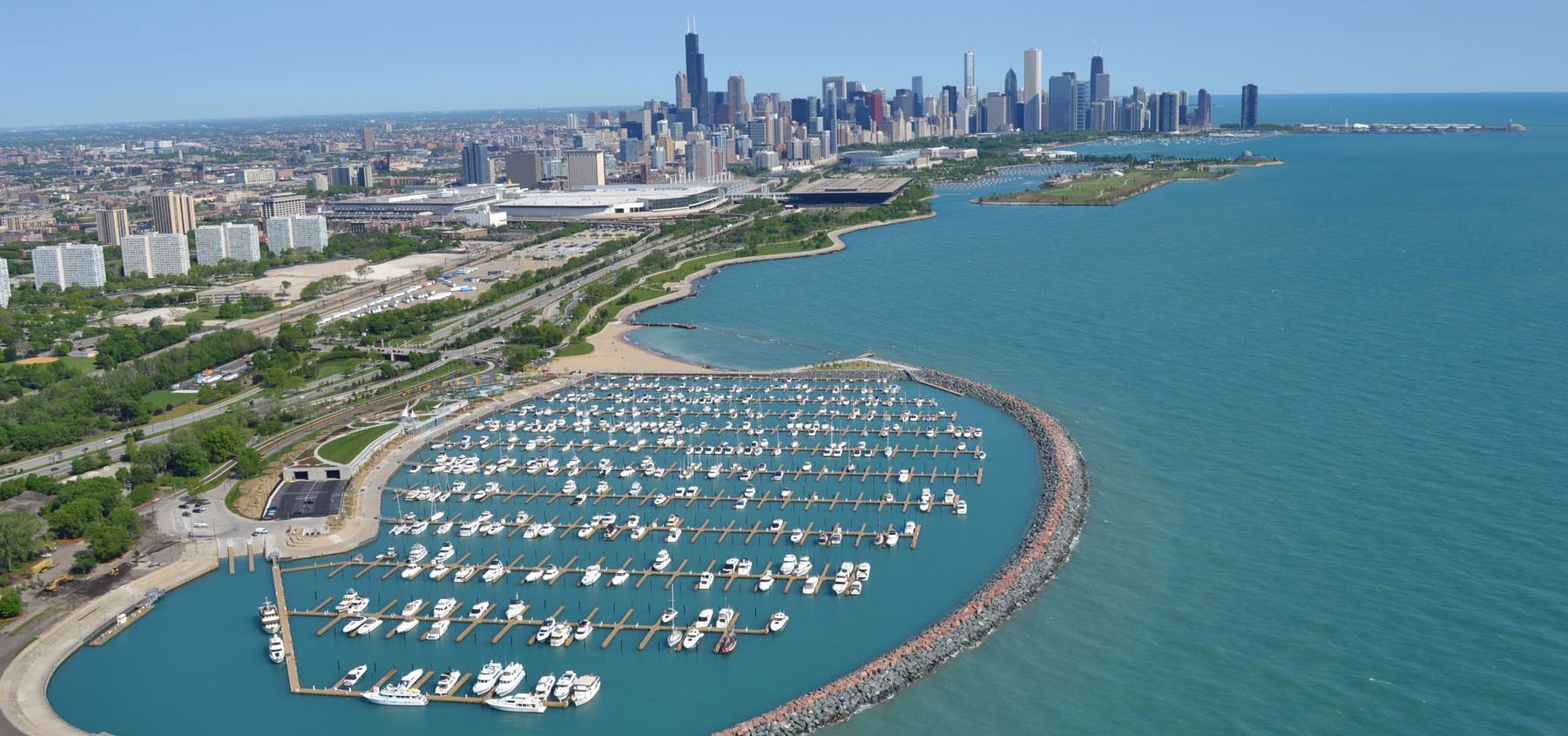
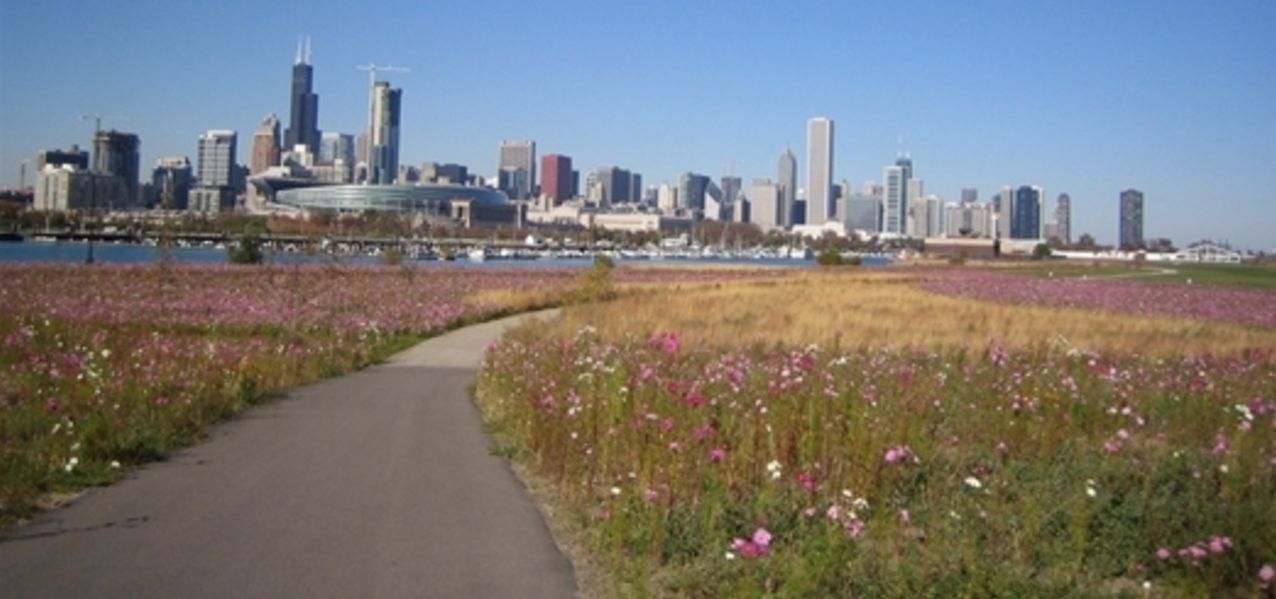
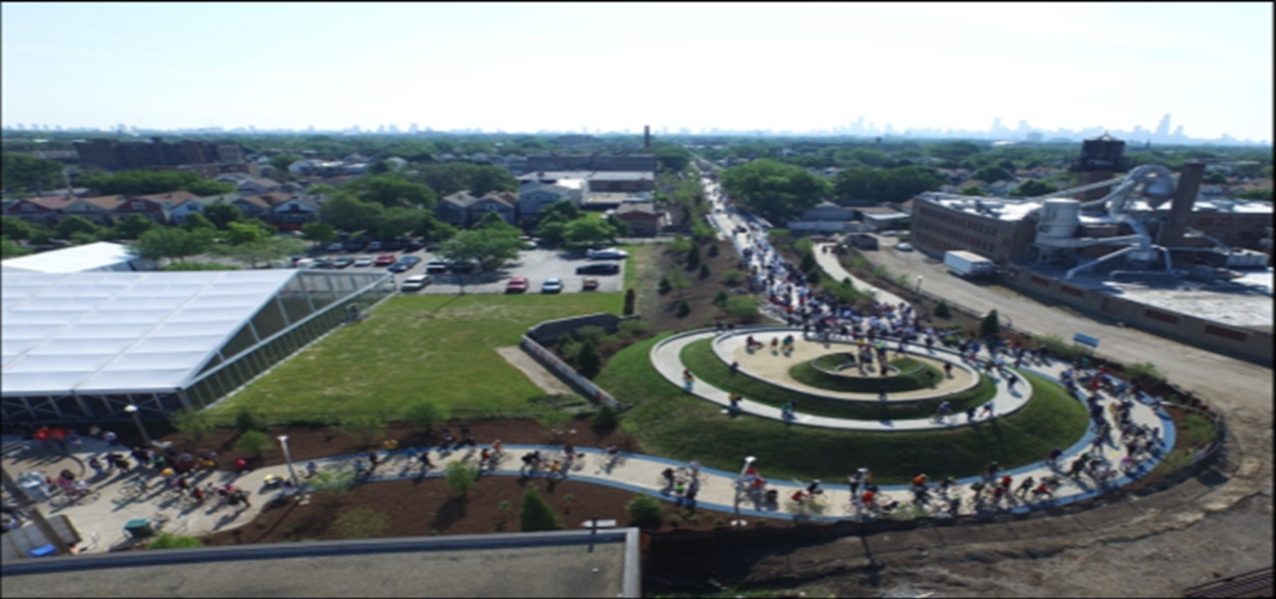
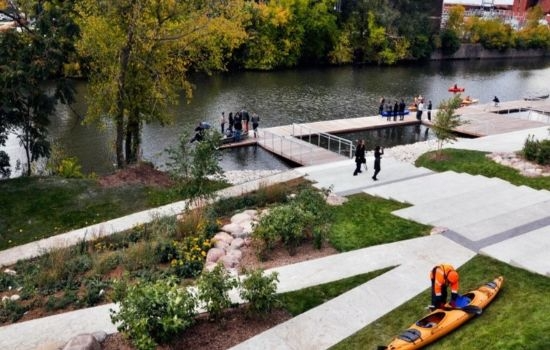
As the green backdrop of the City, the Chicago Park District plays a prominent role in the Chicago experience. The District is one of the largest municipal park managers in the nation, owning nearly 9,000 acres of green space, welcoming millions of annual visitors and offering a vast array of facilities and amenities for all ages and interests, including parks, playgrounds, lakefront beaches, pools, cultural centers, fitness centers, golf courses, museums, and harbors to name a few. Strong park systems are a key component in building strong cities. Investments in parks and recreation are investments in communities as they provide spaces for children to play, neighbors to gather and communities to form bonds. Chicago’s park system has expanded dramatically over the years to add thousands of new acres, tens of millions of dollars in capital improvements and thousands of events and program offerings. From basketball courts and artificial turf fields at neighborhood parks to transformational projects such as the 312 River Run, Gately Track and Field, and the Ford Calumet Environmental Center at Big Marsh Park, park capital improvements have the potential to touch the lives of all city residents and visitors, knitting the fabric of the city closer together. Through Chicago Plays! Playground initiative, the District rebuilt 325 playgrounds across the city so that every child in every neighborhood is within a 10-minute walk of a park or playground. Park programs and events create hubs of positive activity, strengthening community ties and reducing crime.
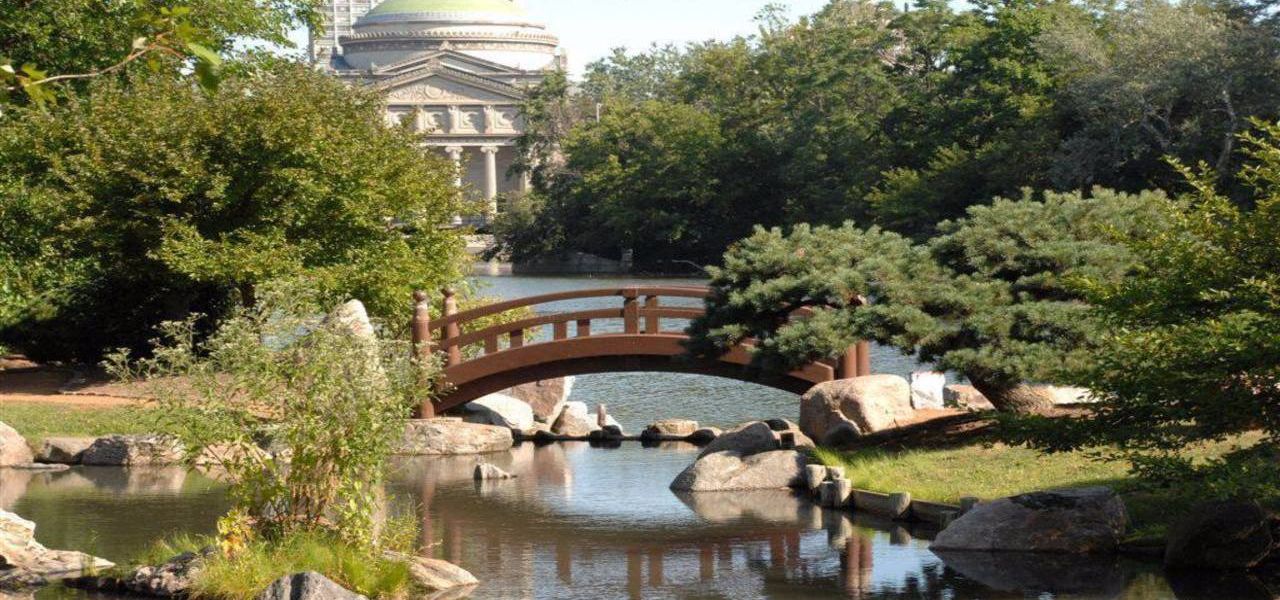
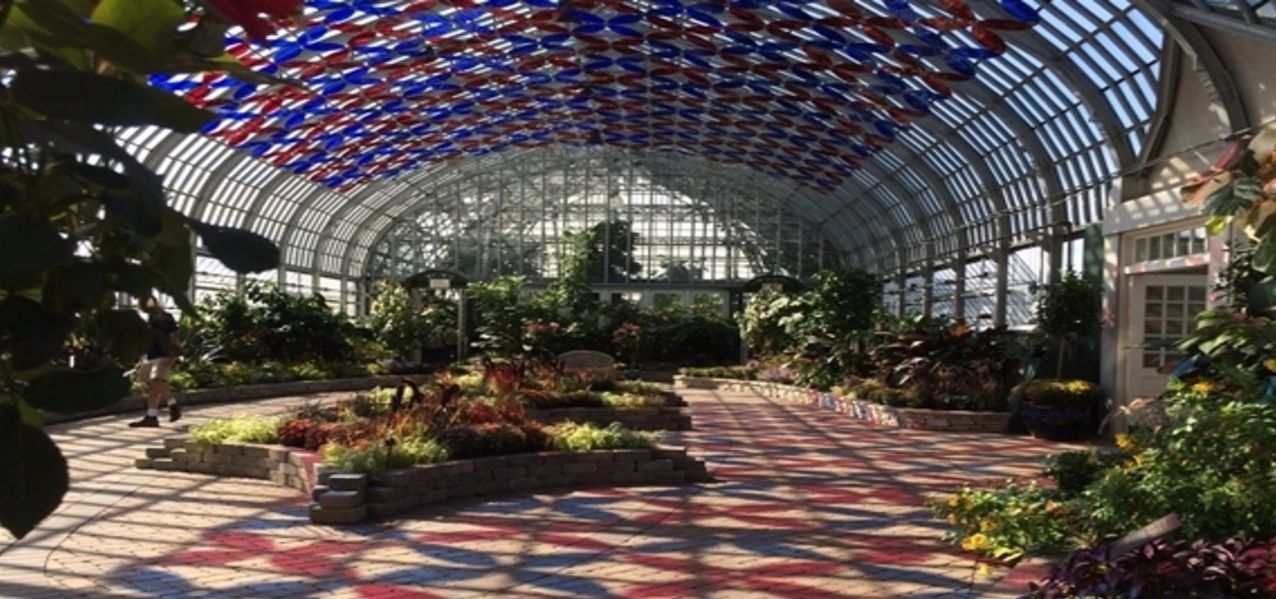
The Chicago Park District oversees the Garfield Park Conservatory and the Lincoln Park Conservatory, tropical paradises within the city that house thousands of rare and exotic plants, and Lincoln Park Zoo, home to nearly 200 unique species from around the world. In addition, the Chicago Park District oversees historic lagoons and many wildlife gardens. From rich pond life teeming with frogs, herons, and dragonflies, to shrubbery areas where migratory birds stop to rest, to lush prairies filled with native grasses and wildflowers, the Chicago Park District offers many ways to explore nature within the city’s parks.
More popular attractions that fall under the management of the Chicago Park District include the Clarence Buckingham Memorial Fountain, which is located in Grant Park. Proudly referred to as “Chicago’s front yard,” Grant Park is among the city’s loveliest and most prominent parks. Eleven world-class museums are located on Chicago Park District property, four of them in or next to Grant Park: The Art Institute, the Field Museum of Natural History, Adler Planetarium, and the Shedd Aquarium. More than 20 million people visit Grant Park and Buckingham Fountain annually, making it the second most visited park landmark in the U.S. In addition to these landmarks, the Chicago Park District offers hundreds of stunning facilities, many of which are rented for special events.
On October 14, 2014, the Park District was awarded the 2014 National Gold Medal for Excellence in Park and Recreation Management, presented by the American Academy for Park and Recreation Administration in partnership with the National Recreation and Park Association (NRPA). Founded in 1965, the Gold Medal Awards program honors communities in the U.S. that demonstrate excellence in parks and recreation through long-range planning, resource management, volunteerism, environmental stewardship, program development, professional development and agency recognition. The Park District has received this national recognition as a result of NRPA’s determination that the Park District embodies the core values of the NRPA, including conservation, social equity, health and wellness.
Image Gallery




News
Chicago, IL – Today, the Chicago Park District announced the launch of the voting period for the Citywide Participatory Budgeting (PB) program created to provide an avenue for public stake in identifying local park needs, proposing ideas for park improvements, and selecting projects with an outstanding, lasting impact on their neighborhoods. Voting runs from July 27, 2026 through August 27, 2026. Ballot boxes are accessible at Park District fieldhouses citywide, and voting is available online at chicagoparkdistrict.com/pb. Participants must be at least 13 years of age and Chicago residents to vote.
In March, the public was invited to submit ideas and/or feedback for park improvements citywide to be considered for an inaugural investment of $500,000 and officially launch the democratic selection process. This process emboldens the civic capacity of the residents that use our park spaces, ensures equitable access to participation and funding, and brings underrepresented groups to the table.
“We are excited to see our Chicago community, specifically park users and stakeholders, getting involved and providing feedback to ensure that park improvements align with community expectations and needs citywide,” said Chicago Park District General Superintendent and CEO, Carlos Ramirez-Rosa. “As we continue the process, we encourage residents to vote on the broader categories that they would like the Park District to prioritize for implementation and resource allocation."
Through this newly introduced participatory governance and community involvement process, the Park District received 1,082 project ideas that were reviewed for feasibility, cost and safety by an internal park team. The qualifying ideas were divided by the Steering Committee into four categories that are being made available to the public during this voting period.
The four categories are:
- Accessibility, Public Safety and Inclusion
o Examples include: ADA accessible playground, ramps, lighting and security cameras - Recreation Infrastructure
o Examples include: Ballfield/sports courts rehab - Permanent Fixtures and Park Amenities
o Examples include: Benches, picnic tables, bike racks - Nature and Beautification
o Examples include: Trees, pollinator gardens, nature play spaces
More specific examples will be available at chicagoparkdistrict.com/pb. Residents are being invited to rank the broader project categories that include feasible project scopes. The eligible categories with the most votes, which will include at least nine projects identified by community members as park improvement priorities, will be funded citywide. Awarded projects will be announced later this year with construction to begin in late 2026 and continue into 2027.
$1 million in TIF surplus funds pilot initiative to upgrade air conditioning systems in fieldhouses and expand cooling opportunities available citywide during extreme heat events
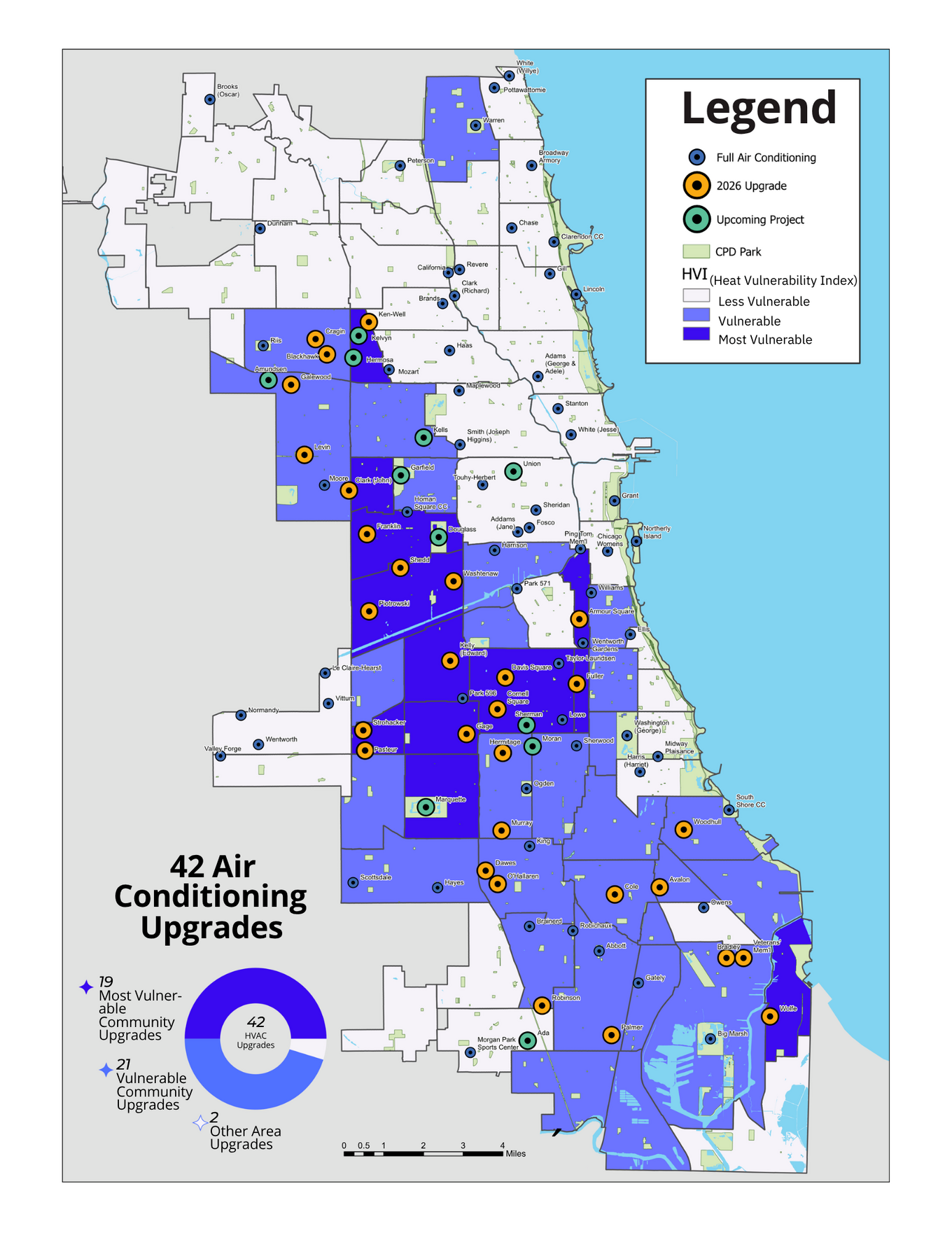
CHICAGO - The Chicago Park District announces the launch of our first phase of cooling enhancements in 42 park sites delivering $1 million in targeted park investments to community areas facing the greatest health risks during extreme heat events. The project addresses historic disinvestment and furthers the Park District’s commitment to building inclusive community spaces through equitable infrastructure improvements with support from Mayor Brandon Johnson’s historic $45 million allocation of TIF surplus to the Chicago Park District in 2026.
“For too long, communities that have faced the greatest impacts of extreme heat have also faced underinvestment in the resources needed to keep residents safe.” said Mayor Brandon Johnson. “This $1 million investment in cooling improvements builds on our commitment to deliver climate resilience, public health, and equity across Chicago. By strengthening our neighborhood parks, we are ensuring that every resident — regardless of their ZIP code — has access to safe, welcoming spaces to cool down during dangerous heat events,” said Mayor Brandon Johnson.
This pilot initiative prioritizes investments in air conditioning improvements based on the results from the Chicago Heat Vulnerability Index (HVI), developed by Northwestern University’s Buffett Institute for Global Affairs through the Defusing Disasters Working Group which incorporates research expertise from the National Oceanic and Atmospheric Administration (NOAA) and the City of Chicago.
“Public health is a core commitment for the Chicago Park District. These TIF surplus investments in air conditioning will help address systemic health inequities and transform vulnerable neighborhoods by providing reliable climate resilient and accessible public cooling spaces when and where they are needed the most,” said Chicago Park District General Superintendent and CEO, Carlos Ramirez-Rosa. “After record high-heat, flooding, and poor air quality, it’s imperative that we build more locally resilient neighborhood parks by upgrading vulnerable park infrastructure in the hardest-hit communities and using equity-focused research to connect those most impacted by extreme weather-related events to safe and comfortable public spaces to seek relief from the weather.”
The Heat Vulnerability Index (HVI) mapping tool enabled the Park District to identify 40 priority sites in heat-vulnerable communities for dedicated cooling investments, and 2 additional facility locations. The Park District prioritized 19 parks in community areas designated as “Most Vulnerable,” and 21 parks in “Vulnerable” neighborhoods, utilizing data-driven analysis. Of the total, 20 sites will be equipped with upgraded air conditioning by the end of summer 2026, and an additional 10 parks will be complete by years end. Designs for 12 larger capital projects are underway and will include cooling infrastructure, raising the total count of upgraded cooling sites to 42 upon completion.
“Extreme heat is one of the most pressing climate challenges facing our city, and we must continue investing in solutions that protect residents and strengthen community resilience,” said Chicago’s Chief Sustainability Officer and Department of Environment Commissioner Angela Tovar. “With data-driven tools like the Heat Vulnerability Index, we can better understand where support is needed most and direct resources to neighborhoods that have been disproportionately impacted by extreme weather. These cooling improvements represent an important step toward building a healthier, more climate-resilient Chicago for all residents.”
Dangerously high temperatures pose a major public health emergency for residents across Chicago. By strategically investing in cooling improvements, the Chicago Park District is helping ensure residents have safe, welcoming spaces to seek relief from the heat.
The Park District offers a variety of options to stay cool citywide that complement the City of Chicago’s broader cooling resources. At the Park District, residents enjoy access to 22 lakefront beaches, and 1 inland beach at Humboldt Park, 77 neighborhood indoor and outdoor pools, and more than 240 park-based water spray features. These features, and a canopy of over 250,000 trees that provides shade and helps mitigate flooding, also ensure residents have safe, comfortable places to seek refuge from extreme heat. During the pilot program, the Park District will be testing innovative, cost-effective cooling technologies and equipment for consideration in future expansion projects.
Today, the Chicago Park District Board of Commissioners received the District’s proposed 2026 budget. The $637.6 million spending plan which closes a projected $30 million gap deficit by focusing on three principles: finding efficiencies, generating sustainable new revenue, and investing in one-time resources responsibly. The 2026 budget makes targeted investments that advance the District’s Strategic Plan’s six goals and invest in youth and teens, accessibility and special recreation, sustainability, public safety and community wellbeing.
Chicago Park District General Superintendent and CEO Carlos Ramirez-Rosa presented the 2026 budget recommendations to the Board. The $637.6 million budget is a fiscally responsible plan that reflects a 6.5% increase from the previous year to address. Highlights of the proposed budget include targeted use of the $46 million anticipated TIF surplus to invest in the District’s pension and capital funds, including a $5 million capital investment to create Chicago Grows Together, a new fund that directs resources to deferred maintenance and equitable infrastructure solutions for parks on Chicago’s South and West Sides.
The proposed budget also invests $1.75 million in the Special Recreation Fund to expand adaptive sports, inclusion support, and ADA accessibility improvements including an elevator modernization. Moreover, the 2026 expands Young Cultural Stewards Teen programming, Lifeguard Explorers Training Program, allocates $250 thousand to replace lost Night Out in the Parks grant funding. The budget also increases staffing by nearly 15 full-time equivalent positions, supports technological and sustainability upgrades, and strengthens partnerships with sister agencies to increase public safety and community wellness.
Residents can view the Chicago Park District’s 2026 budget recommendations online at the Annual Budget Process page. Park District Board of Commissioners will vote on the 2026 budget recommendations during its regular monthly meeting on December 10th.
“The Chicago Park District’s 2026 budget supports our commitment to provide every Chicagoan with affordable programs, and access to exceptional experiences in safe, beautiful, and welcoming public spaces, while protecting the Park District’s fiscal health and ensuring we can continue serving the millions of Chicagoans who depend on our parks every day,” said General Superintendent and Chief Executive Officer, Carlos Ramirez-Rosa. “This budget closes that $30 million deficit without layoffs, service cuts, or one-time fixes by focusing on three principles: finding efficiencies, generating sustainable new revenue, and investing one-time resources responsibly. The 2026 budget does not merely preserve what we have; it builds upon it, making targeted investments in special recreation, teens, sustainability, public safety, pension and capital that advance our Strategic Plan’s six goals: Exceptional Experiences, Community Wellbeing, Parks for All, A Greener City, Effective Operations, and Leading Employer.”
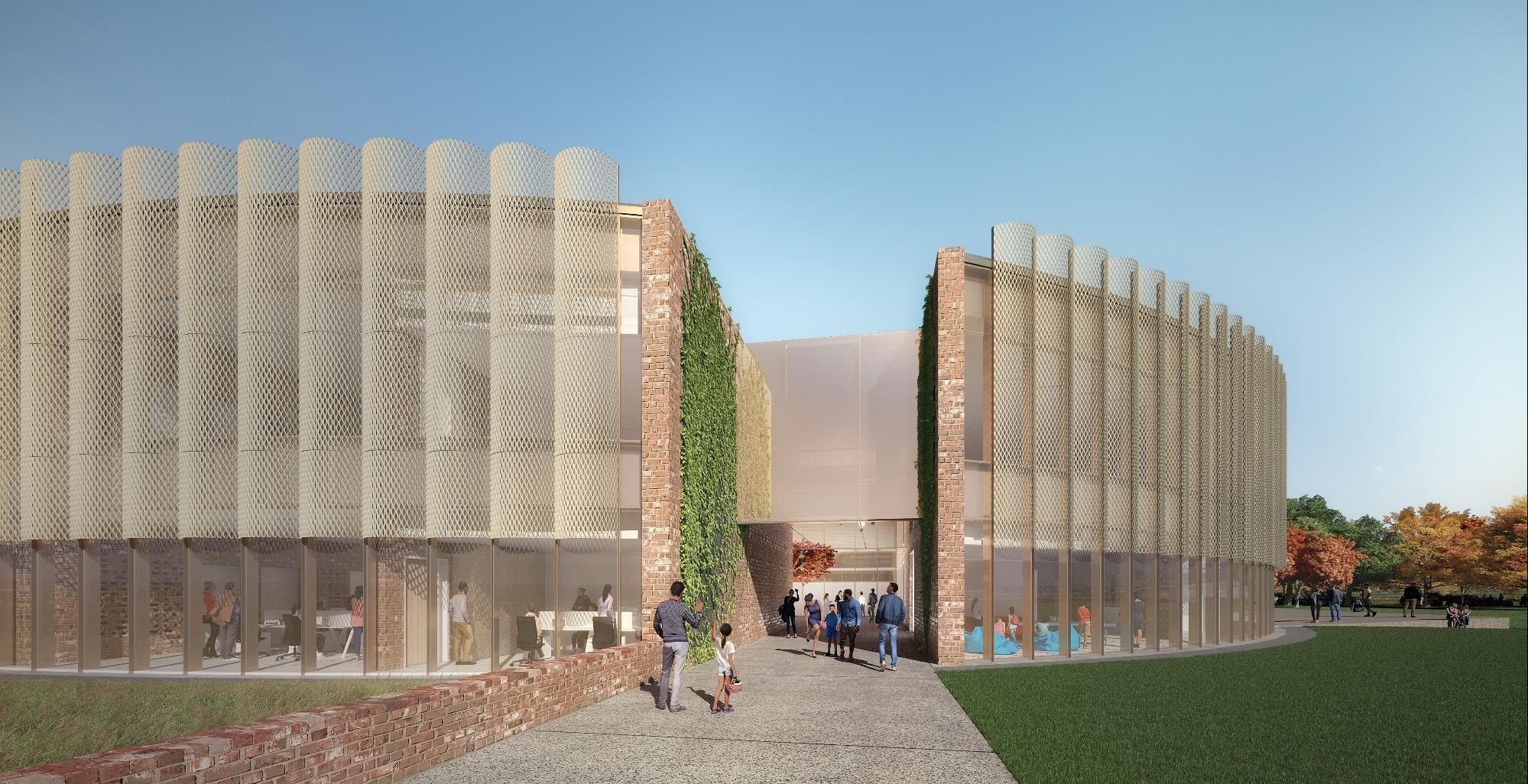
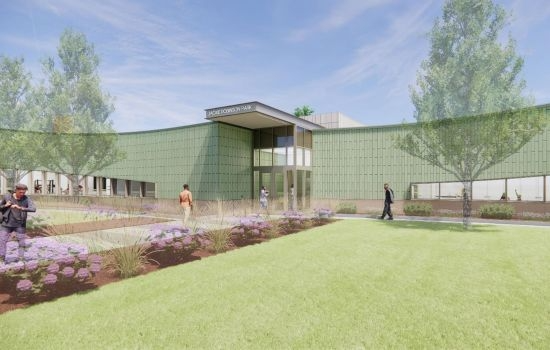
During the regular monthly meeting which followed the budget presentation, the Board authorized the District to enter into an agreement with Booth Hansen Ltd. to design and construction administrative services the new fieldhouse for Ogden Park, 6500 S. Racine. The new fieldhouse will replace the existing deteriorated structure that dates back to the early 1900’s and no longer meets the needs of the West Englewood community. The fieldhouse design shall include a gymnasium, a dedicated boxing gym, fitness room, dance room, teen room and clubroom as well as support facilities including restrooms, storage, offices and utility rooms. Partial funding for the construction of the new Ogden Park fieldhouse is earmarked in the proposed 2026 budget and underscores the District’s commitment to prioritizing historically disinvested communities.
The Ogden Park fieldhouse design contract amount is not to exceed $1,649,343. The MBE/WBE participation for this contract is 32.47% MBE and 9.38% WBE participation, exceeding the Park District’s compliance goals.
The Board of Commissioners voted to approve updates to the rules for public participation in its monthly meetings. To promote equity in access and promote a diverse range of park related topics, the updated rules s may not register to speak at two consecutive meetings. The limitation is waived if an individual wishes to address a voting item listed on the agenda for the upcoming meeting. Additionally, the limitation is waived if fewer than the allotted number of speakers register for a meeting. The Office of the Board Secretary will notify individuals who sign up but are ineligible to speak at an upcoming meeting.
In addition, registered speakers who wish to submit printed documents to the Board must do so at least 30 minutes before the Board meeting begins. Hardcopy materials should be submitted in the form of 10 copies with the speaker’s first and last name clearly printed on the top right-hand corner of the document’s front page. Other rules changes include updates to the Board meeting schedule and location. The updated rules for board meeting participation can be found on the Park District’s website.
The Board approved changes to Chapter I to codify the Park District’s long-standing practice of requiring economic disclosure statements from parties seeking approval by the Board, the General Superintendent, and the Director of Purchasing pursuant to various chapters of the Code. The amendments align with the economic disclosure requirements set forth in the City of Chicago’s Municipal Code. vendors that wish to do business with both the Park District and the City of Chicago will have a more streamlined application process. Additionally, proposed changes include updates to Chapter III of the District’s Code to codify the existing practice that prohibits any Park District officer or employee from accepting Honoraria for participating in speaking engagements, lectures or discussion forums. These Code changes are effective immediately and are available to view online.
Following a 45-day public comment period initiated in September, the Board voted to officially rename Park #601, the Dunning Read Natural Area. The support of Alderman Nicholas Sposato; Illinois House Representative Lindsey LaPointe and numerous community members and stakeholders. The 20-acre park, located in the Dunning community in northwest Chicago features diverse native areas including prairies, wetlands, and woodlands. The natural area is a popular location for birding and supports a vibrant community of native plants.
The Park District Office of Inspector General delivered a presentation to the Board on the District’s Ineligible for Rehire (IFR) designation. The OIG brought forth recent updates to that provide clarity on the designation and processes. Changes include language that explicitly defines the conduct and situations that result in an IFR designation; the introduction of a formal process to notify former employees at the time of separation from the District and a formal appeal process for individuals who wish to have their IFR designation removed.
The Park District has implemented procedural changes to review existing IFR designations prior to the updated policy. The Park District Human Resources is proactively sending former employees on the IFR list the appeal form if it is unclear if the individual would have received the designation under the updated policy. The District also has removed IFR designations for seasonal employees who received the designation only as a result of a poor performance evaluation, but maintained the designation for seasonal employees who otherwise would have received the designation under the 2025 Policy.
“The District strives to be a leading employers as outlined in our Strategic Plan,” said Chicago Park District General Superintendent and CEO Carlos Ramirez-Rosa. “In an effort to align with this goal and ensure the District’s employment opportunities are available to all qualified and interested candidates, we performed the audit to understand the existing ineligible for rehire designations. We found that 80% of the designations among seasonal employees did not meet the updated standards thus removing those IFR designations. Those residents are now eligible for seek employment and contribute to the livelihood of their families, the District and the communities we serve.”
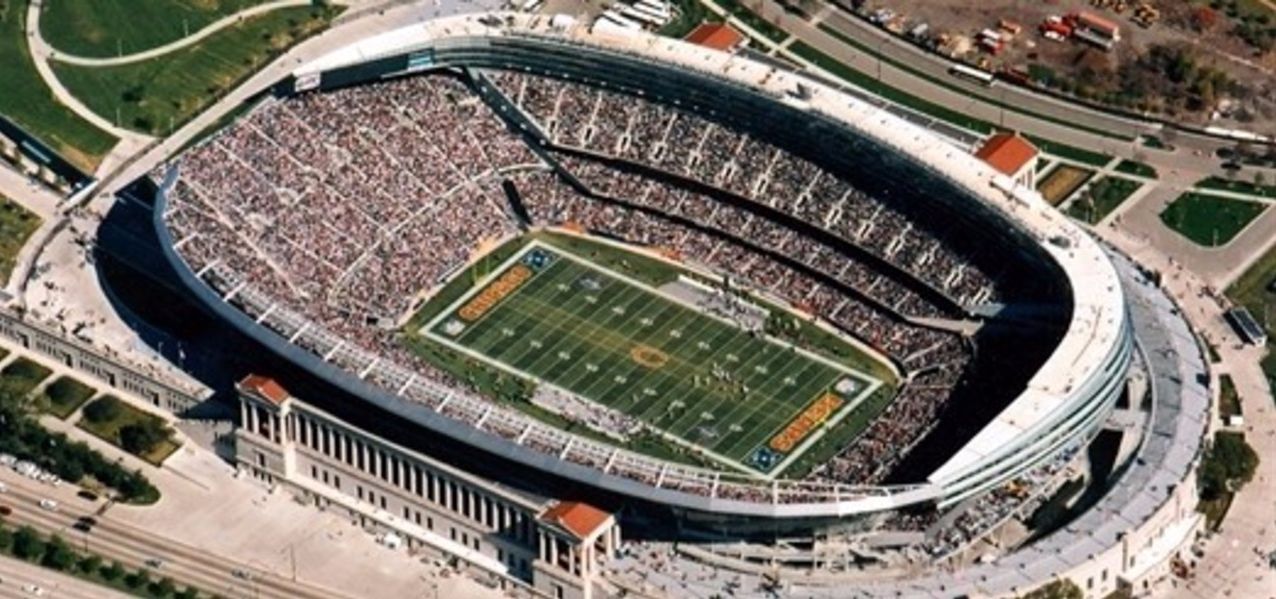
The Board also heard a presentation on the Park District’s partnership with Bears Care, the Chicago Bears 501©(3). The not-for-profit supports the long-standing Junior Bears and Inner-City Flag Football programs offered in parks throughout the city. There are more than 2000 boys and girls, ranging in age from 8 to 17 participating in these programs annually. In addition to learning the game of football, athletes gain confidence and learn valuable lessons in discipline, resilience, teamwork and the importance of healthy living. Junior Bears recently celebrated their 76th Mum Bowl, the championship game played at Soldier Field. During the presentation, Board and Park District celebrated the Loyola Park Dolphins which proclaimed victory over the Kelvyn Park Hurricanes. Witness the positive impact the Park District and Bears Care partnership has on the players, families, coaches and staff in For the Love of the Game.
Other agenda items include the approval of one-year extensions on contracts with Clauss Brothers for garden maintenance services at Osaka Garden in Jackson Park and Stone Group Inc. for District-wide power rodding and sewer cleaning services. The Board also authorized the District to participate in the City of Chicago’s contract with Enterprise Fleet Management for leasing cars and light duty trucks.
The Park District also selected Jim Harney, Senior Project Manager as delegate and Rebecca Brandtman, Deputy Director of Program as alternate delegate for the Illinois Association of Park Districts.
Projects
Team
Talk to us
Have questions? Reach out to us directly.